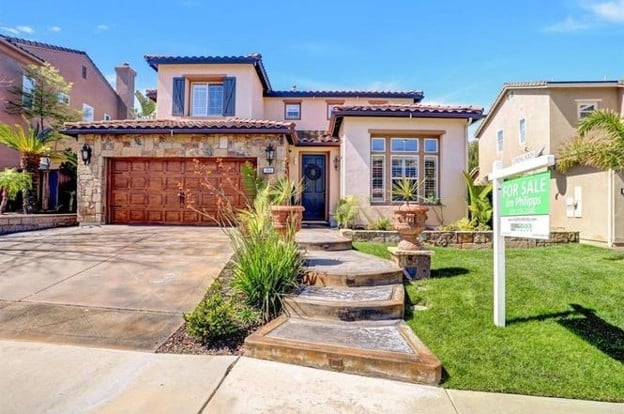
Have you noticed something interesting happening in the San Diego housing market?
One home goes on the market and receives an offer within days. Another home, sometimes in the same neighborhood and at a similar price, sits for weeks without much activity.
So what's the difference?
Is it the price? The condition? The location? Or have buyers simply become more cautious?
The answer is usually a combination of several factors.
As we move through October 2026, San Diego's real estate market is showing us something important: buyers are still purchasing homes, but they're paying much closer attention to what they're getting for their money.
For sellers, this means pricing, preparation, and marketing matter more than ever. For buyers, it can mean opportunities to negotiate that weren't always available during the highly competitive market of recent years.
Let's take a closer look at what's happening and what it means for your next move.
What's Really Happening in San Diego's Housing Market?
First, let's look at the numbers.
According to the Pacific Southwest Association of REALTORS® September 2026 market statistics, San Diego County recorded a median sales price of $899,000, an increase of approximately 1.6% compared with September 2025.
However, closed sales declined 11.6% year over year, and pending sales were down 10.9%.
What does that tell us?
Home prices haven't collapsed, but fewer transactions are taking place.
Buyers are being more selective, and some sellers are discovering that pricing a home based on what their neighbor received a year or two ago may not work today.
Another interesting statistic comes from Realtor.com's September 2026 report for San Diego, which showed that approximately 20.4% of active listings had experienced a price reduction.
That doesn't mean every home is overpriced or that prices are falling everywhere. It means some sellers are having to adjust their expectations to match what today's buyers are willing and able to pay.
And here's something else worth understanding: homes aren't necessarily taking longer to sell across the board. Realtor.com reported a median of 46 days on the market in September, actually shorter than the same period last year.
The difference is becoming more noticeable between properties that attract serious buyers and those that don't.
1. Pricing Is Still the Biggest Factor
Let's start with the obvious one: price.
I often explain to sellers that there's a difference between what a home is worth to them personally and what today's market is willing to pay.
A homeowner may have invested thousands of dollars in improvements, maintained the property beautifully, and created years of wonderful memories.
Unfortunately, buyers don't necessarily assign the same value to those things. They're comparing your home with other properties currently available.
For example, imagine two similar homes in Chula Vista. One is listed at $825,000, has updated flooring, fresh paint, professional photographs, and is priced competitively. The other is listed at $875,000, needs updating, and has been sitting on the market. Even if the second property has certain advantages, buyers may initially be more attracted to the first home.
This is a hypothetical example, but it illustrates how buyers evaluate value.
The first few weeks of a listing are especially important. That's when a property is new to the market and has the greatest opportunity to capture attention from buyers already searching.
Pricing too high can result in fewer showings, longer market time, and eventually a price reduction.
Sometimes a seller ends up accepting less than they might have received with a stronger initial pricing strategy.
That's why I believe pricing should be based on current comparable sales, active competition, pending transactions, and the condition of the property—not simply the highest sale in the neighborhood.
2. Buyers Are Looking at Their Monthly Payment, Not Just the Purchase Price
This is one of the biggest changes I've noticed in how buyers evaluate properties.
A home may be beautiful, but the monthly payment has to make sense.
Buyers are considering mortgage interest rates, property taxes, homeowners insurance, HOA fees, and the cost of maintaining the home.
A property listed at $700,000 with a substantial HOA fee may have a higher monthly carrying cost than another property with a slightly higher purchase price and lower monthly expenses.
This is especially important in the condominium and townhome market.
Recent September data showed approximately four months of supply for attached homes in San Diego County, compared with 2.4 months for detached homes.
That difference can give condo buyers more choices and potentially more negotiating opportunities.
However, every condominium community is different. HOA financial condition, insurance, special assessments, and financing eligibility can affect buyer interest.
For sellers, the lesson is simple: understand how your property compares not only in price, but also in the total monthly cost of ownership.
3. Condition and Presentation Can Make a Big Difference
Buyers have always appreciated homes that show well, but presentation becomes even more important when buyers have alternatives.
A home doesn't necessarily need a complete remodel to attract attention.
Sometimes simple improvements make a meaningful difference.
Fresh paint, professional cleaning, landscaping, decluttering, and minor repairs can help buyers picture themselves living in the property.
Professional photography is equally important.
Most buyers begin their search online. Before they schedule a showing, they've already formed an impression based on the photographs, description, floor plan, and available property information.
If the photos are dark, the rooms look cluttered, or the home appears poorly maintained, buyers may move on to another listing.
That's why I encourage sellers to prepare their homes before putting them on the market rather than trying to correct everything after the listing has been sitting.
And remember, the goal isn't necessarily to spend thousands of dollars remodeling. It's to make the property look its best while being realistic about the return on any improvements.
4. Not Every San Diego Neighborhood Is Experiencing the Same Market
This is something I think buyers and sellers need to understand. There's no single housing market that accurately represents every neighborhood in San Diego County.
Conditions can vary considerably between Chula Vista, Bonita, Eastlake, La Mesa, downtown San Diego, North County, and coastal communities.
Even within the same neighborhood, condominiums and detached homes may perform differently.
For example, the Greater San Diego Association of REALTORS® highlighted recent data showing that starter-home prices below $1 million declined approximately 1.1% year over year in August, while certain higher-priced market segments continued to appreciate. That's why broad headlines about San Diego home prices can be misleading.
A homeowner in Bonita shouldn't automatically assume their property is experiencing the same conditions as a downtown condominium.
Likewise, a buyer shopping in Eastlake may encounter different competition than someone purchasing in coastal North County.
The most useful information comes from examining recent comparable sales, current listings, pending sales, and buyer activity in the specific neighborhood and price range.
5. Why Some Homes Still Sell Quickly
So, if buyers are being more selective, why are certain properties still selling relatively quickly? Generally, those homes have several things working in their favor.
They're priced competitively, presented attractively, marketed effectively, and located where qualified buyers are actively searching.
The listing information is complete, photographs are professional, and buyers can easily schedule a showing.
Just as importantly, the seller is prepared to respond to offers and negotiate reasonable terms.
Sometimes the winning strategy isn't accepting the highest price. It may be selecting a well-qualified buyer with solid financing, reasonable contingencies, and a realistic closing timeline.
In my experience, a successful transaction involves much more than simply agreeing on a number. The terms and the buyer's ability to close are just as important.
6. What Opportunities Does This Create for Buyers?
If you've been thinking about purchasing a home but felt discouraged by competition in previous years, this may be a good time to take another look.
That doesn't mean every seller is desperate or that every property is negotiable.
But certain listings may offer opportunities that weren't available during more competitive periods.
Depending on the property and the seller's circumstances, buyers may be able to negotiate repairs, closing-cost credits, or other contract terms.
Some sellers may also be open to helping with a mortgage rate buydown, subject to lender guidelines and the terms of the transaction.
However, I always remind buyers that a price reduction doesn't automatically make a property a bargain. You still need to understand comparable sales, the home's condition, future expenses, and whether the monthly payment fits your budget.
The goal isn't simply to purchase a home at a discount. It's to purchase the right home at a price and under terms that make financial sense for you.
7. What Should Sellers Do if Their Home Isn't Selling?
If your home has been on the market for several weeks without serious interest, it's time to evaluate the situation. Start by reviewing the number of online views, inquiries, showings, and any feedback from prospective buyers.
Are people looking at the listing but not scheduling appointments?
Are buyers touring the property but choosing something else?
Those two situations may point to different problems.
Next, review the current competition.
Have new homes entered the market at more attractive prices? Have comparable properties reduced their asking prices? Have recent sales changed the estimated value?
It's also important to review the home's presentation and marketing exposure. Sometimes better photographs, improved access for showings, or small cosmetic changes can help. Other times, the price needs to be adjusted.
I understand that price reductions can be difficult for sellers, especially when they've invested so much into their homes. But holding onto an unrealistic asking price doesn't necessarily protect your equity.
The objective is to attract a qualified buyer and negotiate the strongest possible outcome based on current market conditions.
8. Should Buyers and Sellers Wait Until 2027?
This is a question I expect we'll continue hearing as the year comes to an end. For buyers, waiting might make sense if you need more time to improve your credit, save for a down payment, or become financially comfortable.
But waiting simply because you're hoping interest rates or home prices will decline can be unpredictable. Mortgage rates may change, inventory may tighten, and competition could increase again.
For sellers, the decision is equally personal.
If you're relocating, downsizing, handling an inherited property, or making a lifestyle change, waiting may not necessarily benefit you. On the other hand, if you don't need to sell and the numbers don't work, there may be good reasons to hold off.
I don't believe everyone should buy or sell simply because the calendar says it's a particular month or year. Real estate decisions should be based on your goals, your financial circumstances, and the opportunities available to you.
The Bottom Line: Strategy Matters More Than Ever
San Diego remains a desirable place to live, with diverse neighborhoods, employment opportunities, beautiful weather, and a variety of housing options. But today's market requires a little more preparation and a little more strategy.
Sellers need to understand that buyers are comparing properties carefully.
Buyers need to recognize that opportunities may exist, but they still need to evaluate each property individually.
And both sides benefit from understanding what's actually happening in their local market rather than relying on national headlines. Whether you're buying your first home, moving into something larger, downsizing, or preparing to sell a property you've owned for years, having the right information can make a significant difference.
Minnie's Market Tip
“A home doesn't sell just because it's listed. It sells when the price, presentation, and buyer expectations come together. Understanding today's market makes all the difference.”
About Minnie Rzeslawski
Minnie Rzeslawski is a Broker Associate with RE/MAX City Real Estate and Broker/Owner of The 24K Real Estate Group. With 38 years of experience serving buyers and sellers throughout San Diego County, she specializes in residential real estate, probate sales, trust sales, first-time homebuyers, and strategic home marketing.
Minnie is committed to educating her clients so they can make confident real estate decisions.
Have questions about buying or selling in San Diego County? Contact Minnie for a personalized consultation.
Phone: 619-804-5373 DRE License: 01019749
Follow Minnie on Facebook and subscribe to her YouTube channel for weekly real estate updates.