Buying a Home in San Diego? 15 Types of Home Inspections You Should Know About Before Closing
A home may look perfect during a showing, but what you can't see could cost you thousands after closing.
Buying a home in San Diego is one of the largest financial decisions you'll ever make. Whether you're purchasing your first condo in Chula Vista, a historic home in North Park, or a hillside property in La Mesa, understanding the condition of the property is essential.
Most buyers know they should schedule a home inspection. However, many don't realize that a general home inspection doesn't cover every potential problem.
Depending on the property's age, location, construction, and features, additional inspections may be worth considering.
After 38 years in San Diego real estate, I've learned that the more informed buyers are about a property's condition, the better prepared they are to make confident decisions.
Let's explore 15 types of inspections and evaluations that can help protect your investment.
1. General Home Inspection: Your Starting Point
A general home inspection provides an overview of a property's visible and accessible systems and components.
The inspector typically evaluates:
- Roof and attic conditions
- Plumbing fixtures and visible piping
- Electrical systems and accessible panels
- Heating and air conditioning
- Foundation and structural observations
- Windows, doors, walls, and ceilings
- Appliances and other accessible components
Important: A general home inspection is primarily visual and noninvasive. It doesn't guarantee that every defect will be discovered.
The report may recommend additional evaluations by specialists.
2. Termite and Wood-Destroying Pest Inspection
Termites are a significant concern in Southern California.
A licensed pest inspector evaluates accessible areas for evidence of wood-destroying organisms, damage, and conditions that may contribute to infestations.
Common findings include drywood termites, subterranean termites, and wood decay.
Repairs or treatment can become expensive, particularly when damage affects structural wood.
Even if a property appears well maintained, a termite inspection can be a worthwhile investment.
3. Sewer Line Inspection
This is one inspection I encourage buyers to consider, especially when purchasing older San Diego homes.
A sewer camera inspection examines the accessible sewer lateral for problems such as:
- Tree root intrusion
- Cracked or deteriorated pipes
- Blockages
- Pipe offsets or separations
- Evidence of potential collapse
Some older neighborhoods have aging sewer infrastructure. Replacing a damaged sewer lateral can cost thousands of dollars, depending on its location and condition.
A standard home inspection generally doesn't include a sewer camera evaluation.
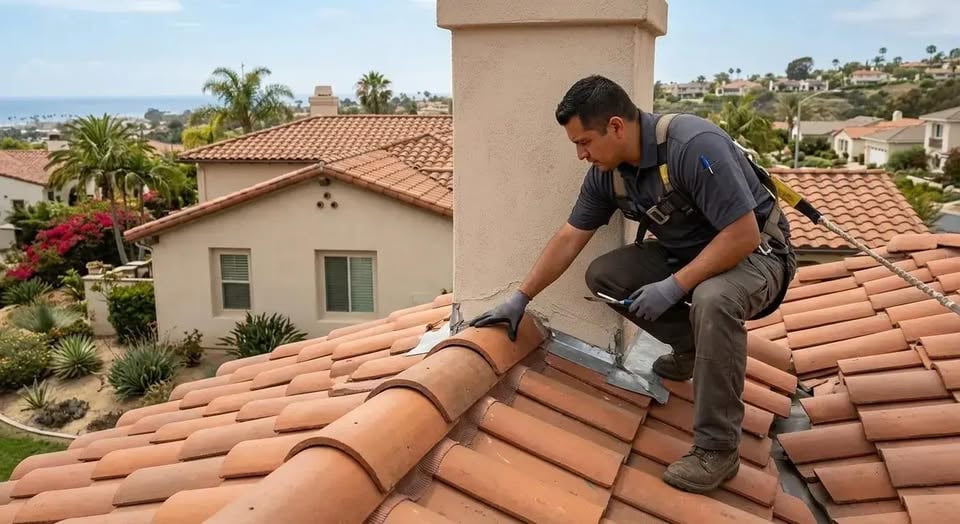
4. Roof Inspection
San Diego's sunny climate doesn't mean roofs are maintenance-free.
Tile, asphalt shingle, and flat roofs can develop problems that aren't obvious from the street.
A roofing specialist can evaluate damaged tiles, underlayment deterioration, flashing, drainage, and signs of leaks.
This is particularly important when the roof is older, has visible damage, or has experienced previous water intrusion.
Remember that a roof may look attractive while the materials underneath are approaching the end of their useful life.
5. Foundation and Structural Inspection
Foundation issues deserve special attention.
Cracks in walls, uneven floors, sticking doors, or noticeable settlement may justify an evaluation by a qualified structural engineer.
San Diego County has varied soil conditions, slopes, and seismic considerations.
A structural specialist can help determine whether an observed condition is cosmetic, related to normal movement, or potentially more serious.
Not every crack indicates a major problem, but significant warning signs shouldn't be ignored.
6. Plumbing Inspection
A general inspector checks visible plumbing components, but a licensed plumber can provide a more detailed evaluation.
This may be especially useful for older properties with galvanized piping, aging drain lines, low water pressure, or evidence of leaks.
A specialist can assess accessible supply lines, drains, water heaters, and other plumbing concerns.
Hidden leaks can lead to water damage, mold, and costly repairs.
7. Electrical Inspection
Electrical safety is another important consideration, particularly in older homes or properties with renovations.
A licensed electrician can evaluate outdated wiring, overloaded circuits, panel concerns, grounding, and potentially unsafe installations.
Older homes may have electrical systems that weren't designed for today's appliances, air conditioning, electric vehicle charging, or other modern demands.
Electrical upgrades can be costly, so understanding the system before closing is valuable.
8. HVAC Inspection
Heating, ventilation, and air conditioning systems can be expensive to repair or replace.
A qualified HVAC technician can assess equipment operation, maintenance conditions, and visible components.
This may be particularly important in inland communities such as El Cajon, Santee, and East County, where summer cooling needs can be substantial.
A functioning system isn't necessarily a system with many years of useful life remaining.
9. Mold and Moisture Inspection
Mold and moisture problems can sometimes develop behind walls, under flooring, or in poorly ventilated areas.
Warning signs include musty odors, visible staining, previous leaks, and recurring condensation.
When conditions warrant it, a qualified moisture or mold professional can investigate the source and recommend appropriate testing.
The priority should be identifying and correcting moisture intrusion rather than relying on air testing alone.
10. Pool and Spa Inspection
If you're buying a home with a swimming pool or spa, consider having the equipment and structure evaluated by a pool specialist.
Items may include pumps, filters, heaters, plumbing, electrical safety, and visible pool surfaces.
Leaks, equipment failures, and structural repairs can be expensive.
A general home inspector may provide only a limited review of these features.
11. Solar Panel Inspection
Solar systems are increasingly common throughout San Diego County.
Buyers should determine whether the panels are owned, financed, leased, or subject to a power purchase agreement.
A solar evaluation may include system condition, inverter operation, production history, and installation concerns.
Review the solar contract, warranties, financing obligations, and transfer requirements.
An attractive solar installation can come with financial obligations that buyers need to understand before purchasing.
12. Chimney and Fireplace Inspection
Fireplaces can add character to a home, especially in older neighborhoods.
However, deteriorated masonry, damaged flue liners, and improper installations can create safety concerns.
A qualified chimney professional can evaluate conditions that a general inspection may not fully address.
This is especially worthwhile when a fireplace hasn't been used or serviced in years.
13. Geological, Soil, and Drainage Inspection
San Diego has hillside homes, canyon properties, and neighborhoods with varied soil and drainage conditions.
Properties with retaining walls, significant slopes, settlement, or drainage concerns may benefit from evaluation by a geotechnical engineer or other appropriate specialist.
Potential concerns include erosion, slope stability, expansive soils, and water flowing toward the foundation.
These evaluations can be particularly important when purchasing a property with significant grading or retaining structures.
14. Environmental Inspections: Asbestos, Lead, and Radon
Older homes may contain materials that warrant environmental evaluation.
Lead-based paint is especially relevant to homes built before 1978. Asbestos-containing materials may also be present in certain older building products.
Radon testing can be considered as well because elevated radon levels can occur in individual homes.
These concerns don't automatically mean a property is unsafe, but buyers should understand when testing or professional assessment is appropriate.
15. Condo and Townhome Inspections
Buying a condominium or townhome requires another layer of due diligence.
In addition to inspecting the unit, buyers should review the homeowners association's documents and financial condition.
Important items include:
- HOA budgets and reserve studies
- Meeting minutes
- Special assessments
- Pending litigation
- Insurance coverage
- Responsibility for roofs, plumbing, balconies, and exterior repairs
For some properties, additional balcony, deck, or common-area evaluations may be appropriate.
A beautiful condo interior doesn't necessarily tell you the condition of the entire community.
How Much Do Home Inspections Cost in San Diego?
Inspection costs vary depending on the property's size, age, complexity, accessibility, and the specialist hired.
A general home inspection may cost several hundred dollars, while specialized evaluations add to the total.
Not every buyer needs every inspection.
For example, a newer condominium may have different priorities from a 70-year-old detached home with mature trees, an older sewer line, and a swimming pool.
The goal isn't to order every available test. It's to identify the inspections that make sense for the specific property.
Can Buyers Ask Sellers to Make Repairs?
Yes. Depending on the purchase agreement and circumstances, buyers may request repairs, a credit, or another negotiated solution after reviewing inspection findings.
However, sellers aren't automatically obligated to make every requested repair.
Buyers and sellers may negotiate, and the outcome depends on the contract, property condition, market conditions, and willingness of both parties.
It's important to distinguish between cosmetic imperfections, routine maintenance, and potentially serious safety or structural concerns.
What About Buying a Home "As Is"?
This is one of the biggest misunderstandings I see among buyers.
In California, purchasing a home "as is" generally means the seller isn't agreeing in advance to make repairs.
It doesn't automatically eliminate the buyer's inspection rights or the seller's disclosure obligations.
The actual purchase agreement controls the buyer's investigation rights, deadlines, and cancellation options.
Buyers should never assume that an "as is" sale means they must skip inspections.
Don't Remove Your Inspection Contingency Too Soon
One of the most important steps in purchasing a home is understanding the contractual investigation period.
In California, the applicable deadlines depend on the signed purchase agreement.
Buyers should schedule inspections promptly, review reports carefully, and arrange follow-up evaluations when necessary.
Removing contingencies before understanding significant findings can create unnecessary financial risk.
Final Thoughts: A Smart Buyer Is an Informed Buyer
A home inspection isn't about finding a perfect house. Every property has maintenance needs, and even newly constructed homes can have defects.
It's about knowing what you're buying, understanding potential expenses, and making decisions with your eyes open.
Whether you're buying in Bonita, Chula Vista, Downtown San Diego, North Park, or anywhere else in San Diego County, the right inspections can help you avoid costly surprises.
If you're considering buying a home, I'd be happy to help you understand the inspection process, your contractual timelines, and the questions worth asking before closing.
Minnie's Market Tip
"The most expensive problems in a home are often the ones you can't see. A few hundred dollars spent on the right inspection today could save you thousands tomorrow."
About Minnie Rzeslawski
Minnie Rzeslawski is a Broker Associate with RE/MAX City Real Estate and Broker/Owner of The 24K Real Estate Group. With 38 years of experience serving buyers and sellers throughout San Diego County, she specializes in residential real estate, probate sales, trust sales, first-time homebuyers, and strategic home marketing. Minnie is committed to educating her clients so they can make confident real estate decisions.
Follow Minnie on Facebook and subscribe to her YouTube channel for weekly San Diego real estate education and market updates.